A Joint Meeting on the Modernization of Educational Programs Was Held at Turan University
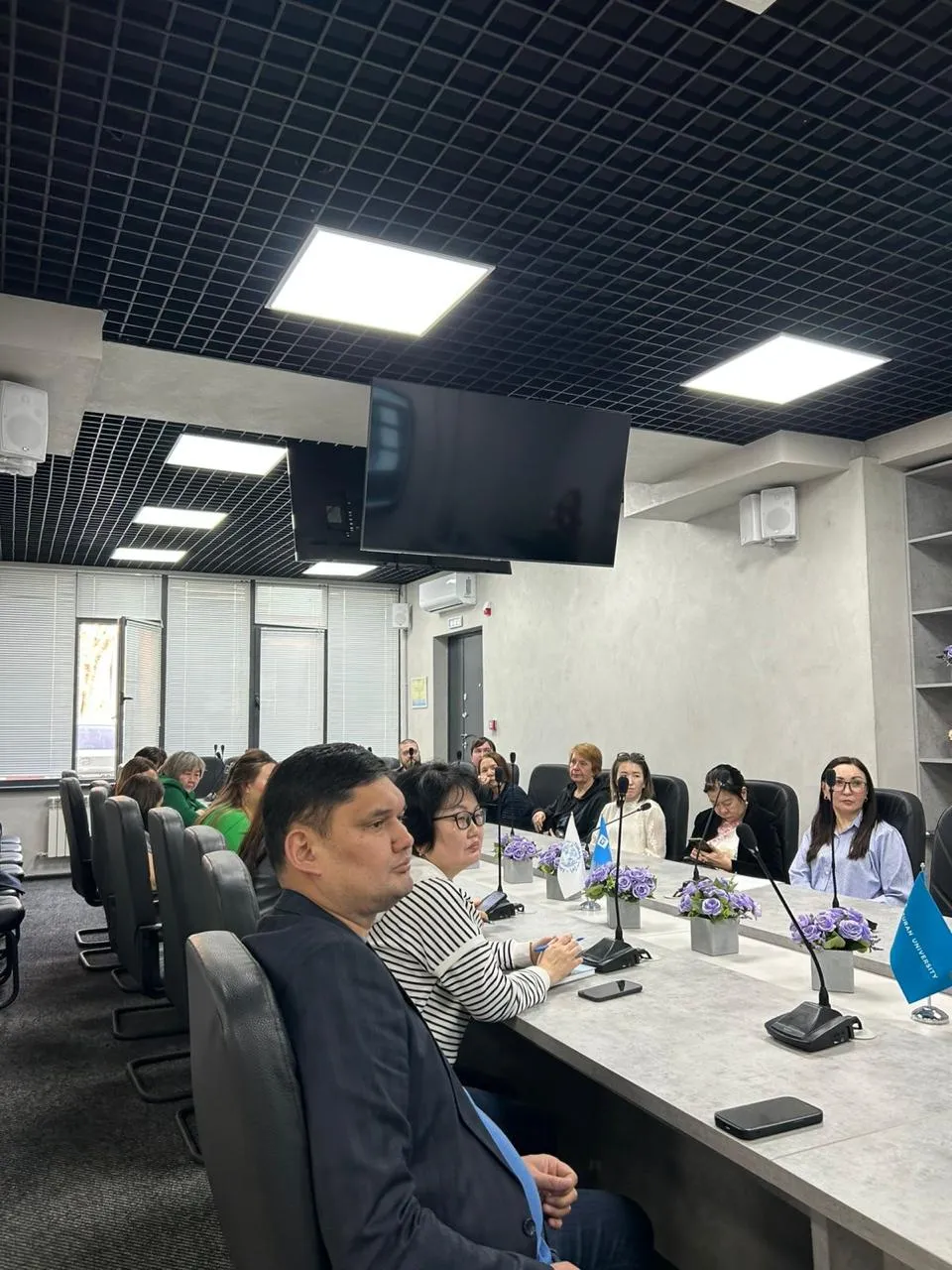
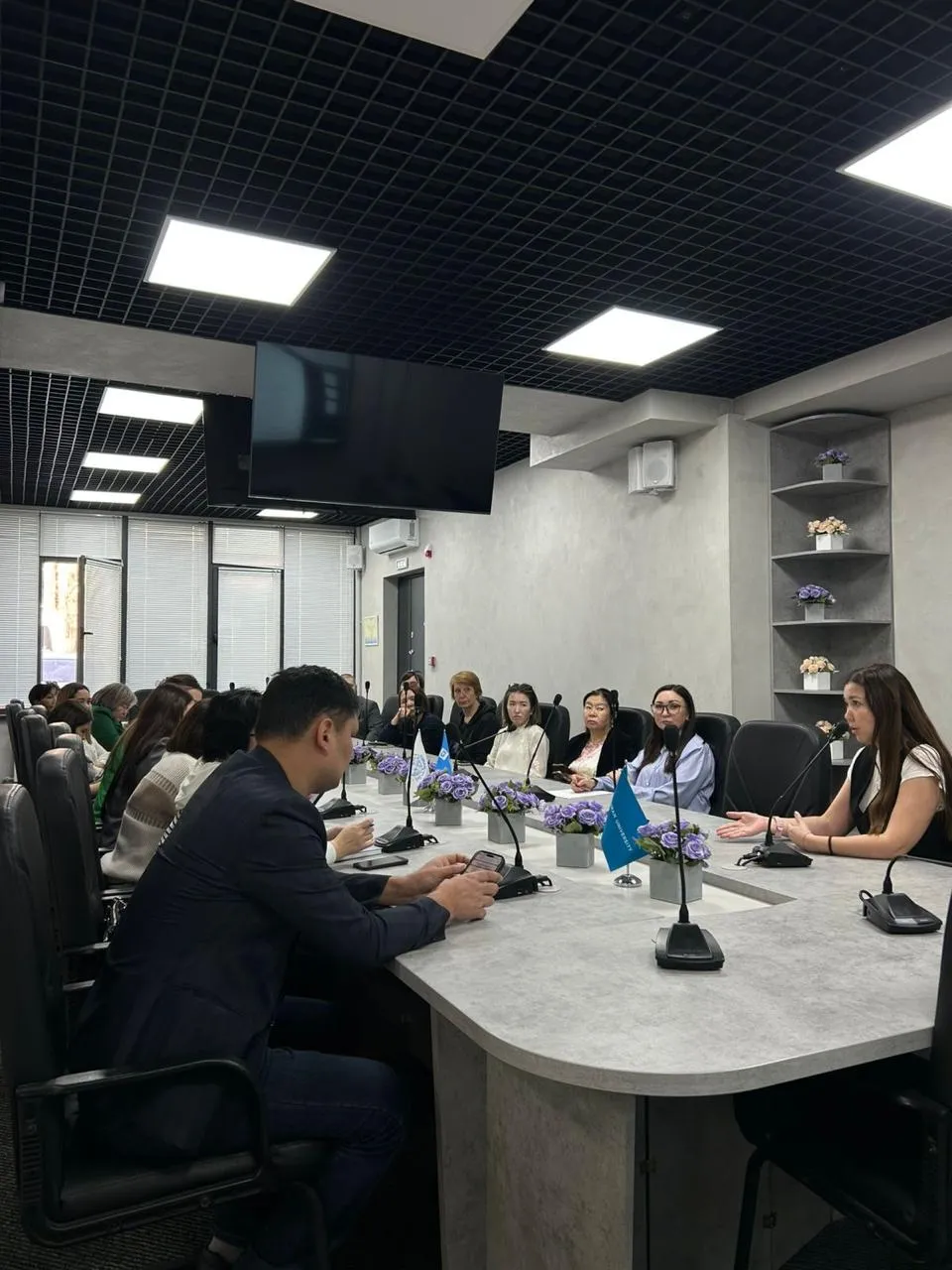
On February 18, 2026, a joint meeting of the Higher School of Computer Engineering, the Higher School of Information Technologies, and the Higher School of Telecommunications was held at Turan University. The focus of the discussion was the new professional standards and their consideration in the revision of the educational programs of the Higher Schools.
The issue was reviewed based on a letter from the Educational and Methodological Association for the fields of “Information and Communication Technologies” and “Information Security,” which announced the approval of several new professional standards and the upcoming monitoring of educational programs scheduled for February 2026.
During the meeting, participants reviewed professional standards such as “Software Architecture,” “Software Testing,” “Database Administration,” “Operating Systems Administration,” and “Creation and Management of Information Resources,” among others. Special attention was given to recommendations on the development of Artificial Intelligence and Game Development within the framework of universities’ digital transformation strategies.
Heads of educational programs presented an analysis of the current curricula. It was noted that the Artificial Intelligence component is systematically integrated into the programs “Software Engineering,” “Computer Engineering and Software,” “Information Systems,” “Intelligent Robotics,” and “Radio Engineering, Electronics and Telecommunications.” The curricula include courses in machine learning, data analysis, intelligent systems, computer vision, and IoT technologies.
The discussion of Game Development also generated significant interest. Turan University already operates a GameDev Club under the Higher School of Computer Engineering, which provides practice-oriented training in game and digital product development. Club participants go through the full project lifecycle—from idea generation and game mechanics design to programming, testing, and product presentation. An important feature is the opportunity to commercialize projects through the university’s business incubator, which supports the development of students’ entrepreneurial competencies.
As a result of the meeting, it was decided to conduct a strategic analysis of the potential institutional development of Game Development in the format of elective modules or specializations, as well as to ensure the modernization of educational programs in accordance with the new professional standards, Level 6 of the National Qualifications Framework requirements, and the upcoming monitoring process.
The joint work of the Higher Schools demonstrates Turan University’s systematic approach to advancing modern IT fields and ensuring that its educational programs align with current labor market demands and the evolving digital economy.