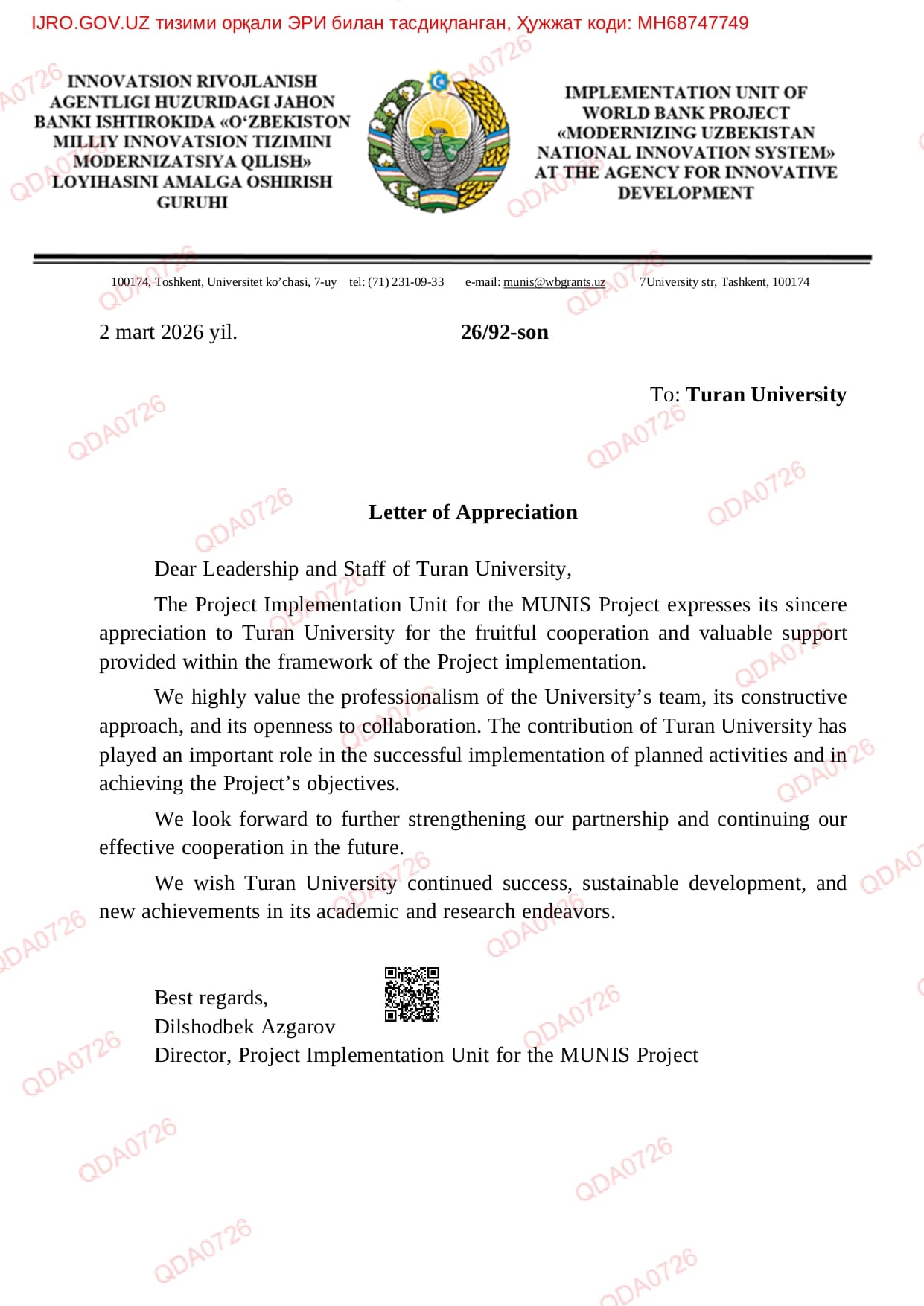
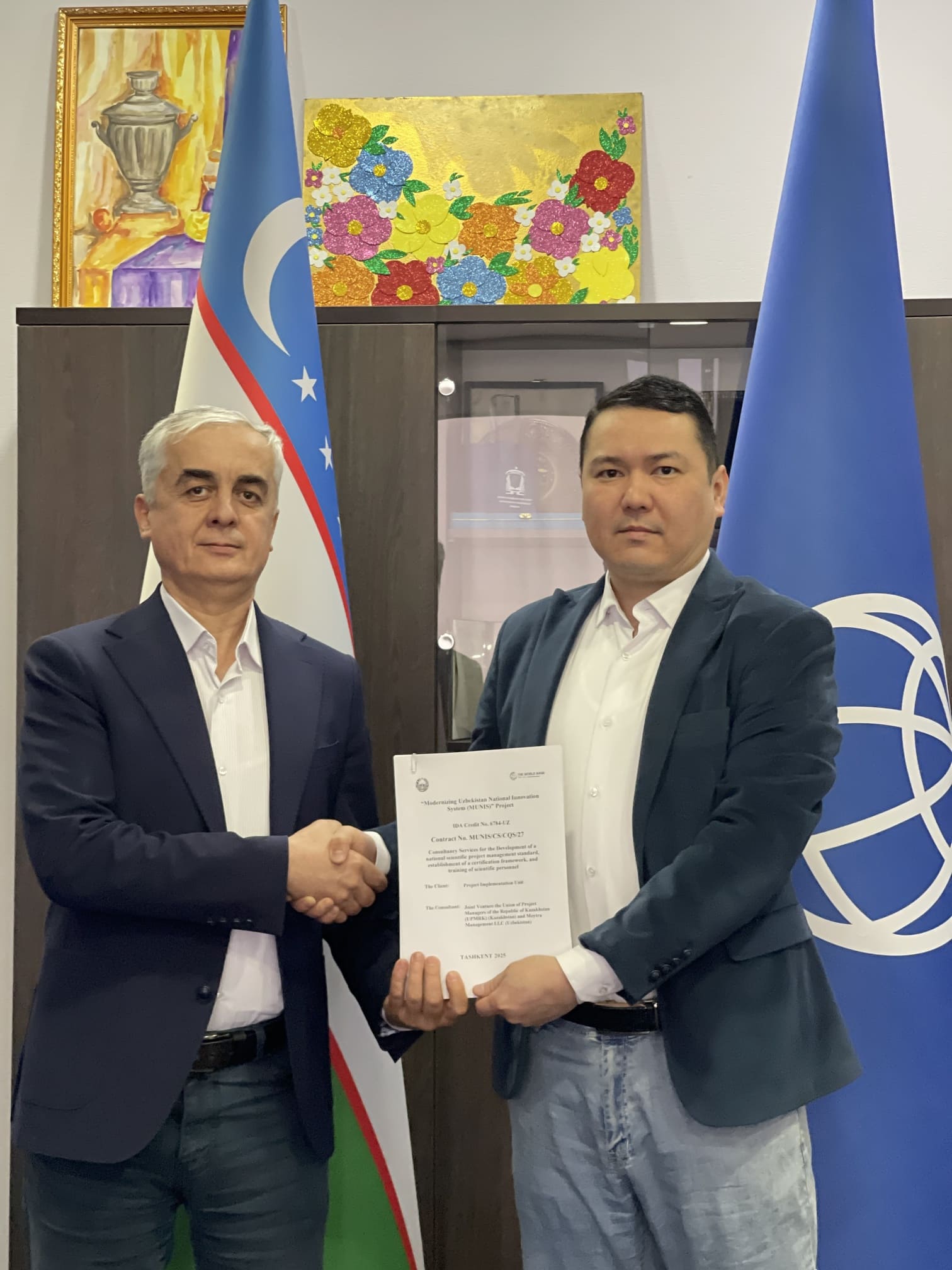
Turan University, as Part of an International Consortium, Signs a Contract to Implement the TechnoParks Reload Program under the Modernizing Uzbekistan National Innovation System (MUNIS)
Turan University, as a member of an international consortium, has signed a contract and announced the launch of a large-scale phase of the TechnoParks Reload program — a strategic initiative aimed at the deep transformation of 13 regional technoparks across Uzbekistan.
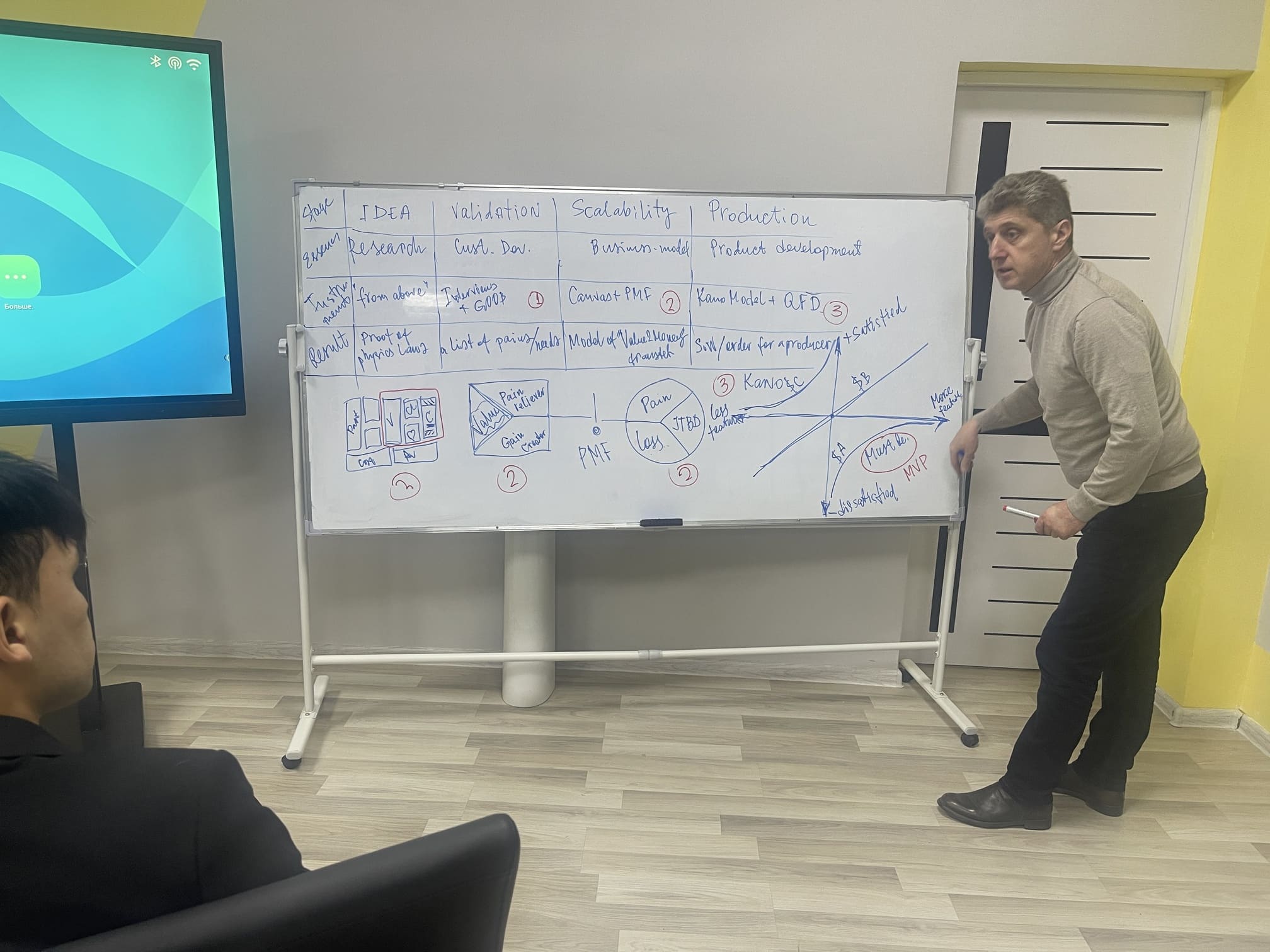
The program builds on the work previously carried out under the DeepTech Accelerator within the framework of the Modernization of the National Innovation System (MUNIS) Project in the Republic of Uzbekistan. During that phase, a hybrid Tech Transfer Accelerator (TTA) model was successfully tested, combining classical startup acceleration tools with a systematic approach to technology transfer. While this stage established the methodological foundation of the project, the implementation of the TechnoParks Reload program marks the transition to tangible institutional change.
TechnoParks Reload: From Infrastructure to Ecosystem
TechnoParks Reload is not a set of incremental improvements, but a comprehensive reset of the managerial and economic models of technoparks. The core objective of the program is to transform technoparks from rent-based infrastructure facilities into full-fledged regional “one-stop-shop” centers for innovation, startups, and investment.
The program is grounded in the philosophy of Open Innovation, which promotes structured and active collaboration between universities, businesses, investors, and the public sector.
The program consists of three key components:
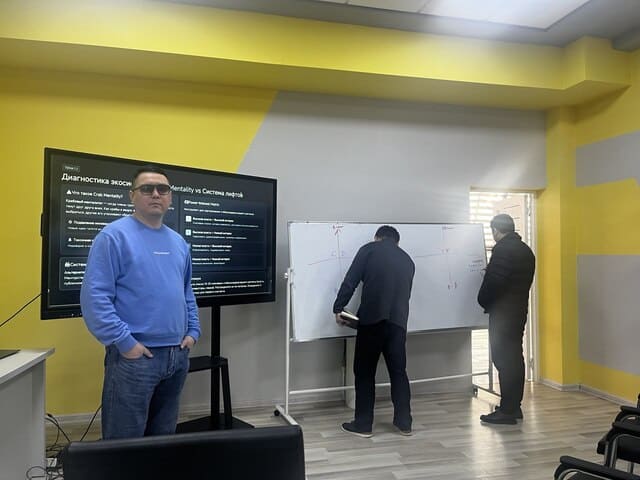
- diagnostics of the innovation and management ecosystems of technoparks;
- capacity building and professional development of technopark management teams;
- preparation of technopark teams for building investment communities, namely local investor clubs.
Particular emphasis is placed on the third component — Community Building — as the most complex and critical factor for the long-term sustainability of innovation ecosystems.
Project Geography and Key Observations
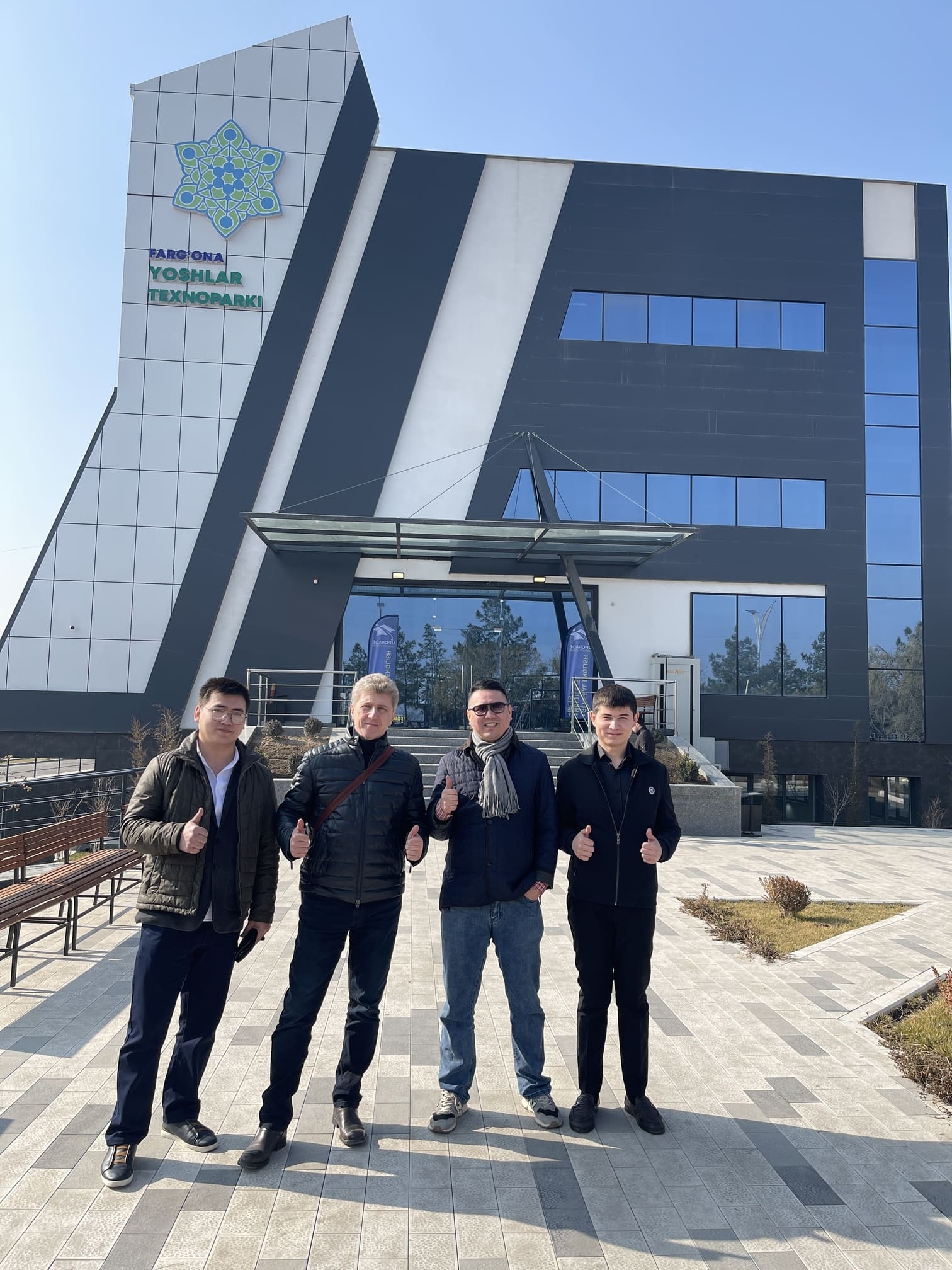
As part of the program, the project team covered almost the entire territory of Uzbekistan, visiting technoparks in the following cities:
Fergana, Andijan, Gulistan, Akhangaran, Jizzakh, Namangan, Karshi, Termez, Samarkand, Navoi, Bukhara, Urgench, and Nukus.
The analysis revealed that the primary challenge faced by technoparks is not infrastructure. Modern architecture, futuristic design, and well-equipped facilities are widely present. However, behind this external appearance lies a systemic imbalance in governance and economic models.
Formally, technoparks operate as public institutions, but in practice they resemble public–private partnership models without sustainable economics. As a result, management teams are forced to cover basic operational costs in the absence of viable business models, leading to growing debt burdens and professional burnout. In its current form, this model is economically unsustainable.
Regional Differences and Best Practices
The field visits highlighted significant regional differences and growth opportunities:
The Fergana Valley demonstrated a highly motivated youth population, strong language skills, and a clear interest in technological entrepreneurship;
Gulistan showed considerable potential for engagement with the business community and regional institutions, which remains largely untapped;
Karshi emerged as a successful case, where a technopark led by a former entrepreneur has already implemented a viable model with revenue generation, equity participation in deep tech startups, and real innovative production;
Urgench and Nukus highlighted the strength of private initiatives, particularly agri-tech business incubators that have already formed sustainable entrepreneurial communities.
The Role of Turan University in the TechnoParks Reload Program
Turan University acts as a key academic and expert partner of the TechnoParks Reload program within the international consortium.
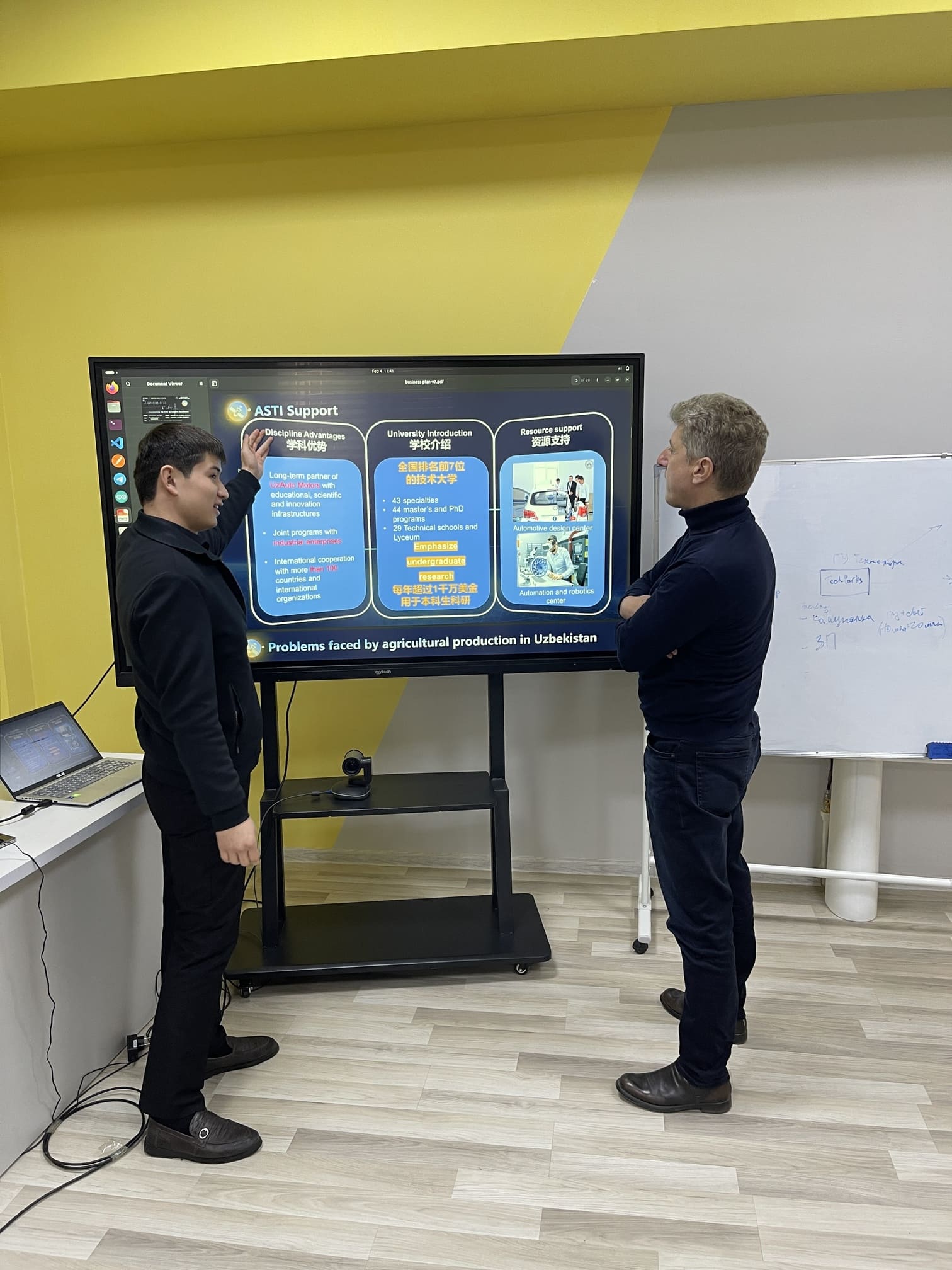
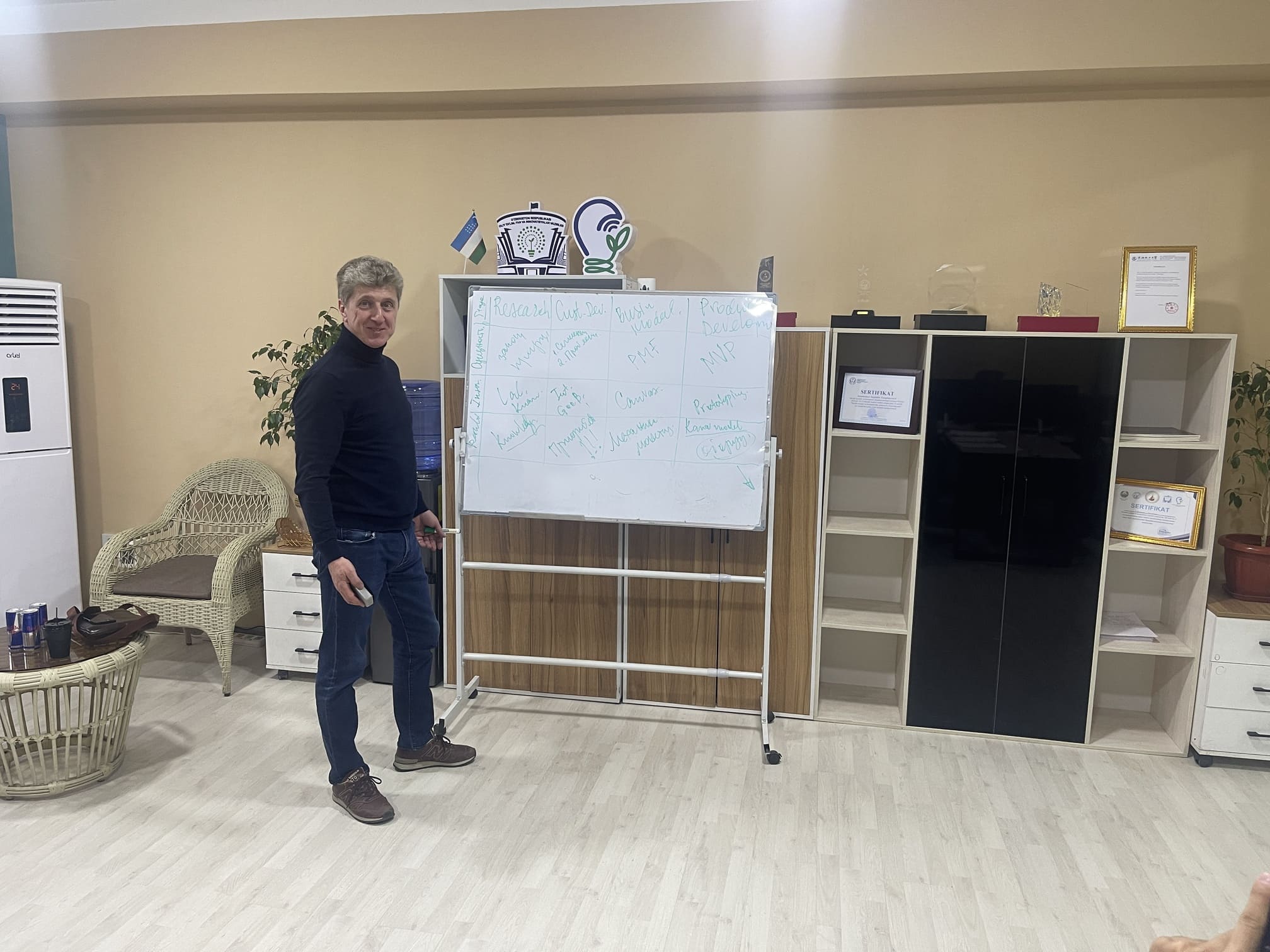
Within the project, the university provides methodological and expert support for technopark transformation, participates in the diagnostics of regional innovation ecosystems, contributes to the development of managerial competencies of technopark teams, and facilitates the integration of university research and education into practical innovation infrastructure.
Special attention is given to the implementation of Open Innovation principles and the establishment of sustainable linkages between universities, startups, investors, and the entrepreneurial community.
Strategic Conclusion
Based on the outcomes of the TechnoParks Reload program, a key conclusion has been formulated: the state should retain the role of owner, strategic architect, and regulator, defining development priorities and key performance indicators. Operational management of technoparks, however, should be transferred to local entrepreneurs and professional management teams with market expertise and clear accountability for results.
Otherwise, technoparks risk remaining modern infrastructure facilities with high expectations but without long-term economic sustainability.